I work from a service van in Athens, Georgia, repairing cars in driveways, apartment parking areas, office lots, and the occasional quiet roadside location. My daily jobs range from diagnosing a no-start condition to replacing brakes on a vehicle that has been sitting for several weeks. I carry professional scan tools, a floor jack, battery equipment, and enough hand tools to handle most repairs without sending the driver to a shop. Mobile work has limits, but many common problems can be solved right where the vehicle is parked.
Starting and Charging System Repairs
A large part of my schedule involves vehicles that will not start. A dead battery is one possibility, but I also check the starter, alternator, battery cables, grounds, fuses, and ignition signals before recommending parts. Replacing a battery without testing the charging system can leave a driver stranded again two days later. That happens more often than people expect.
I use a digital multimeter and a battery tester that can evaluate voltage, available cranking power, and charging performance. A healthy electrical system usually shows a noticeable voltage increase once the engine is running, though the exact reading can vary with the vehicle and its charging strategy. I also perform a voltage-drop test when a cable looks fine from the outside but may have corrosion hidden under the insulation. One damaged ground connection can imitate a much more expensive starter problem.
Last summer, I met a customer near a small apartment complex whose car clicked once every time she turned the key. Another person had already suggested a new starter, but my test showed a weak connection at the battery terminal. I cleaned the terminal, replaced the damaged end, and tested the system through several start cycles. The repair took less than an hour and avoided replacing a working component.
Alternator problems require the same careful approach. A glowing battery light can point toward a failed alternator, a slipping belt, a wiring issue, or a control problem on newer cars. I inspect the belt and tensioner before removing anything, since a loose belt can reduce charging output. The test comes first.
On-Site Diagnostics and Warning Light Checks
Modern vehicles store fault information that can shorten the diagnostic process, but a trouble code is not a final answer. I connect a scan tool, read the stored codes, review live data, and compare what the computer reports with what the engine is actually doing. A code for a lean condition, for example, does not automatically mean the oxygen sensor has failed. It may be caused by a vacuum leak, low fuel pressure, or unmetered air entering through a cracked hose.
I often direct local drivers to Mobile Mechanic Athens GA: services when they want to review the types of repairs that may be available at their location. A service page helps set realistic expectations before a mechanic arrives with tools and diagnostic equipment. It can also help a driver explain whether the vehicle is overheating, misfiring, leaking fluid, or refusing to crank.
For a check-engine light, I may spend 20 minutes watching sensor readings before touching a wrench. Fuel trim, coolant temperature, throttle position, and misfire counts can reveal a pattern that a basic code reader misses. On one sedan I inspected last spring, the computer showed repeated misfires on one cylinder, yet the ignition coil was working correctly. A damaged connector was losing contact whenever the engine moved under load.
I also diagnose ABS lights, charging warnings, temperature alerts, and some airbag-related faults, depending on the vehicle and the work area. Certain systems require manufacturer-level equipment or shop-based testing, so I am direct about those limits. Clearing a warning light without repairing the cause is not a real service. The light usually returns.
Brake Service Where the Vehicle Sits
Brake pad and rotor replacement is well suited to mobile repair when the vehicle is parked on firm, level ground. I inspect the pad thickness, rotor condition, caliper movement, brake hoses, and visible fluid leaks before giving a recommendation. One worn pad does not tell the whole story because a sticking slide pin can wear the inner and outer pads at very different rates. I want to know why the parts wore out.
I carry a low-profile floor jack, wheel chocks, and jack stands rated for vehicles heavier than the average passenger car. Safety comes before speed. Gravel, steep slopes, and active traffic areas are poor places for lifting a vehicle, even if the repair itself is simple. In those situations, I ask the owner to move the car or arrange service at a safer location.
A customer earlier this year called about a scraping noise from the front passenger wheel. The outer brake pad still had some material, but the inner pad had worn down to metal because the caliper hardware was seized. I replaced the damaged parts, cleaned the mounting surfaces, lubricated the correct contact points, and checked the opposite side. A quick pad swap would not have corrected the original problem.
Brake fluid condition also deserves attention. Dark fluid does not always prove that every hydraulic component is failing, but contamination and moisture can affect long-term performance. I check the reservoir level and inspect around each serviced wheel for signs of leakage. If the pedal feels unusually soft, I stop and investigate before treating the job as routine pad replacement.
Routine Maintenance Without a Shop Visit
Many drivers use mobile service for maintenance because they cannot leave a vehicle at a repair facility for half a day. I perform oil and filter changes, replace engine air filters, install cabin filters, change certain spark plugs, and handle accessible belts and hoses. A typical oil service may require 5 or 6 quarts, a new filter, and the correct drain-plug seal. I verify the specification instead of guessing from engine size.
Spark plug replacement can be simple on one car and time-consuming on another. Some four-cylinder engines provide clear access, while certain V6 layouts place half the plugs beneath an intake assembly. I inspect coils, boots, connectors, and plug wells during the job because oil or moisture around the plugs can cause repeat misfires. Installing fresh plugs will not repair a leaking valve cover seal.
I also replace filters that owners often forget. A clogged cabin filter can reduce airflow through the vents, while a heavily restricted engine filter may affect performance in certain conditions. On one compact SUV, I removed a cabin filter packed with leaves and pine needles from several seasons of use. The fan sounded quieter as soon as the new filter went in.
Fluid checks are part of my routine inspection. I look at coolant level, brake fluid, power steering fluid where applicable, and transmission fluid on vehicles that provide a practical checking method. Some modern transmissions are sealed and require a specific temperature procedure, so I do not pretend every fluid can be checked in a parking space. The van stays organized.
Cooling System Problems and Overheating
An overheating engine needs more than a quick coolant refill. I inspect for external leaks, damaged hoses, weak clamps, cooling fan operation, pressure loss, and signs that combustion gases may be entering the cooling system. A vehicle that overheats after 10 minutes of idling may have a different problem from one that runs hot only at highway speed. That difference guides the inspection.
I can replace many radiators, thermostats, upper hoses, lower hoses, coolant reservoirs, and accessible cooling fans on site. The vehicle must be completely cool before I open the system, since pressurized coolant can cause serious burns. I also need enough room to drain and capture old coolant without spilling it onto pavement or soil. Responsible cleanup is part of the repair.
One customer called after adding water to his car several times during the same week. A small split near the end of the upper radiator hose opened only after the engine warmed up and pressure increased. The leak was difficult to see while the engine was cold, but dried coolant around the hose connection gave me a useful clue. I replaced the hose and clamp, refilled the system with the proper mixture, and confirmed that the cooling fan cycled normally.
Some overheating cases belong in a full repair shop. Internal engine damage, severe oil contamination, repeated cylinder pressure in the cooling system, or a transmission issue may require equipment that cannot travel in a service van. I explain what I find and avoid taking apart an engine in a location that cannot support the work. Honest limits protect both the mechanic and the owner.
Repairs That Make Sense for Mobile Service
Mobile repair works best when the problem can be diagnosed safely and the necessary parts are accessible without a lift. I commonly handle batteries, starters, alternators, brakes, sensors, ignition coils, spark plugs, belts, hoses, window components, and minor electrical faults. Some jobs require 10-millimeter sockets and basic access, while others involve several hours of careful disassembly. The location matters as much as the repair.
Before arriving, I ask for the year, make, model, engine size, current symptoms, and any recent work. I also ask whether the vehicle starts, whether it can be moved, and whether it is parked on concrete or another firm surface. Those details help me bring the correct equipment and avoid wasting the customer’s time. A photo of the dashboard warning lights can also be useful.
I do not replace parts based only on a phone description. Symptoms can point me in a direction, but testing confirms the repair. A vehicle that stalls at traffic lights could have a dirty throttle body, a vacuum leak, a charging problem, or several other faults. Guessing becomes expensive quickly.
For drivers around Athens, the real value of a mobile mechanic is practical access to skilled repair without arranging a tow or reorganizing an entire workday. I still follow the same testing sequence I would use in a fixed shop, and I do not rush because the repair is taking place in a driveway. Good mobile service should feel like a repair shop brought to the vehicle, with clear explanations and no unnecessary parts. That is the standard I try to meet on every call.


![Order General Tso's Restaurant & Catering - Atlanta, GA Menu Delivery [Menu & Prices] | Atlanta - DoorDash](https://img.cdn4dd.com/cdn-cgi/image/fit=cover,width=600,height=400,format=auto,quality=80/https://doordash-static.s3.amazonaws.com/media/store/header/58bc7484-5e94-4d24-a65b-ee0d8d59248a.jpg)



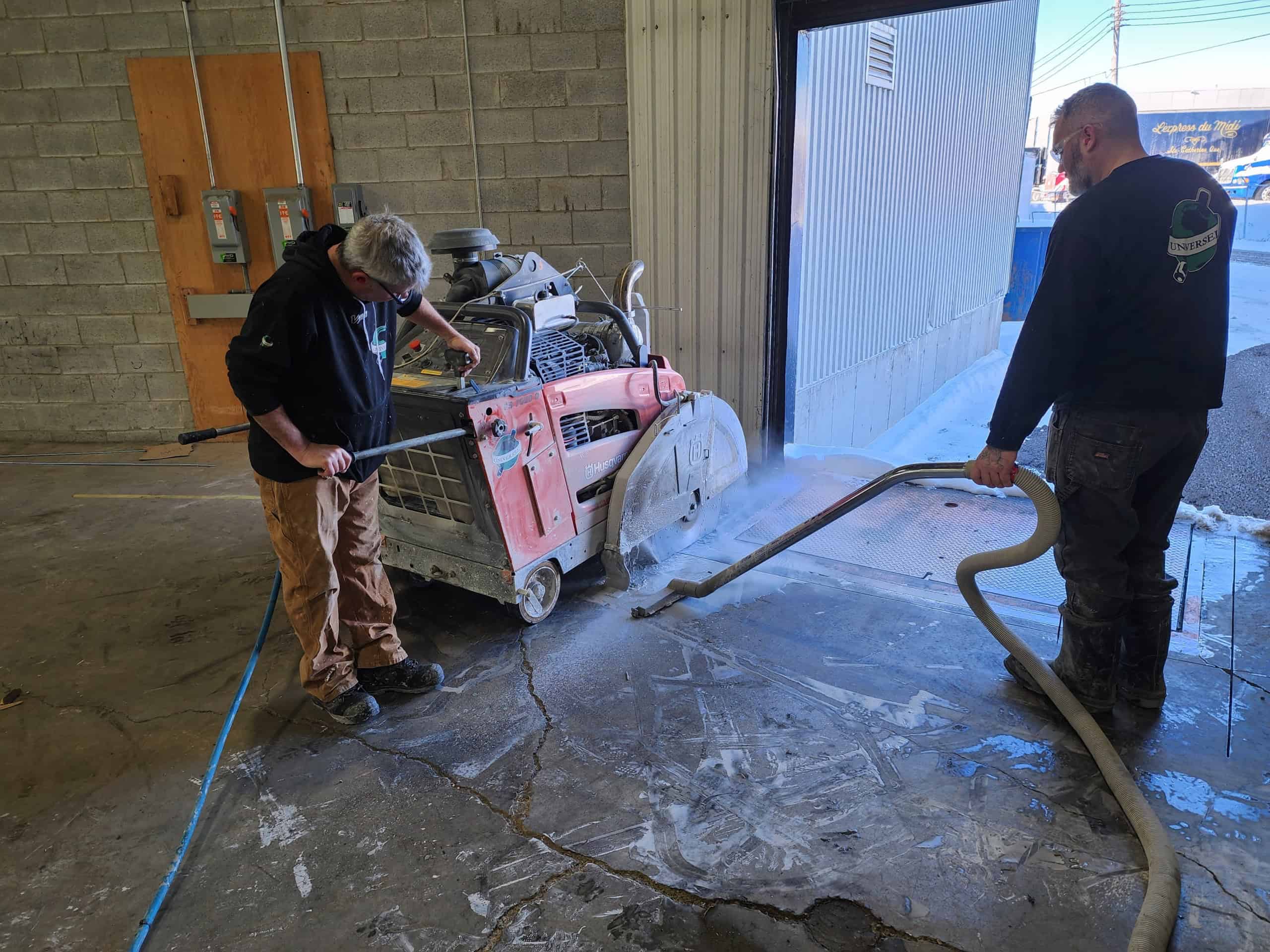 Early in my career, I worked on a warehouse project in the east end of Montreal where the client wanted to move fast. The building footprint was large, and the slab needed to support high-racking systems and constant forklift traffic. The schedule was tight, and there was pressure to accelerate the base preparation. I remember standing on that subgrade after a stretch of rain, noticing subtle pumping in certain areas when equipment rolled over it. It wasn’t dramatic, but I’d seen that warning sign before. We paused the job and brought in additional compaction and granular material. It added time upfront, but a year later I visited the site and the slab was still performing beautifully. Had we rushed it, we would have been dealing with cracking and settlement within months.


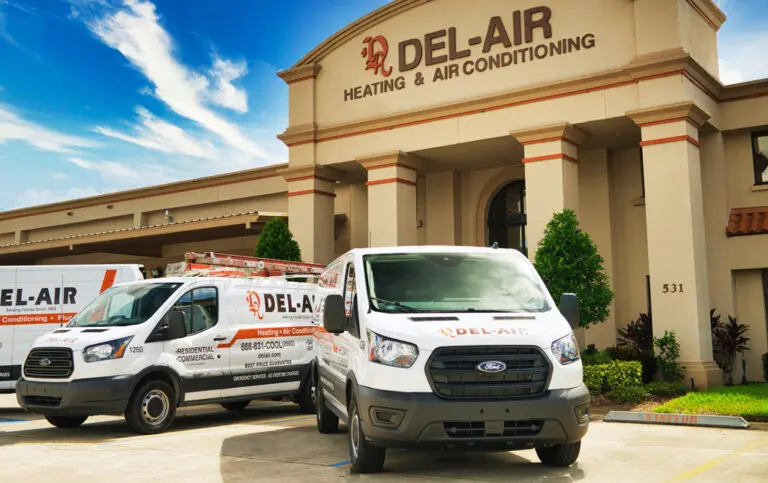
 When I first got licensed, I assumed the process was mostly a formality. Fill out the application, pass the exam, pay the fee, and get to work. In reality, the license is less about permission and more about accountability. It ties you to insurance thresholds, bond requirements, continuing education, and—most importantly—legal responsibility if something goes wrong. I didn’t really grasp that until I took over a half-finished kitchen remodel where the previous contractor had no valid license at the time the permit was pulled. The homeowner didn’t know, the inspector didn’t catch it initially, and by the time I arrived, the city had red-tagged the project. The fix cost months and several thousand dollars, none of which the original contractor was legally obligated to cover.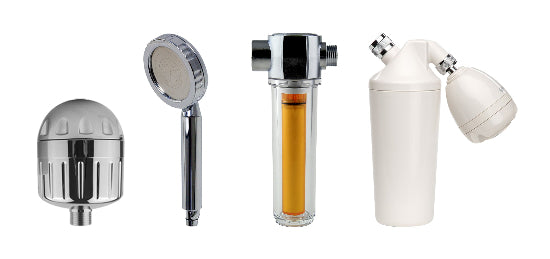

 The first time I hired a cleaning service, I felt like I was surrendering. I’d spent the previous weekend chasing dust around the house, only to find a fresh coat settling on my shelves the next morning. I remember brushing my hand across the console table and seeing a new layer already forming. I mentioned it to the cleaner who came by, and she laughed kindly and said, “This is the foothills—dust wins if you play by city rules.” That was the moment I stopped blaming myself and started reevaluating how cleaning actually works out here.